
The sport of Formula 1 uses a vast number of terms to describe certain aspects of it. For this reason, we will look at the top 10 most popular F1 terms to make watching the sport a lot easier
Apex
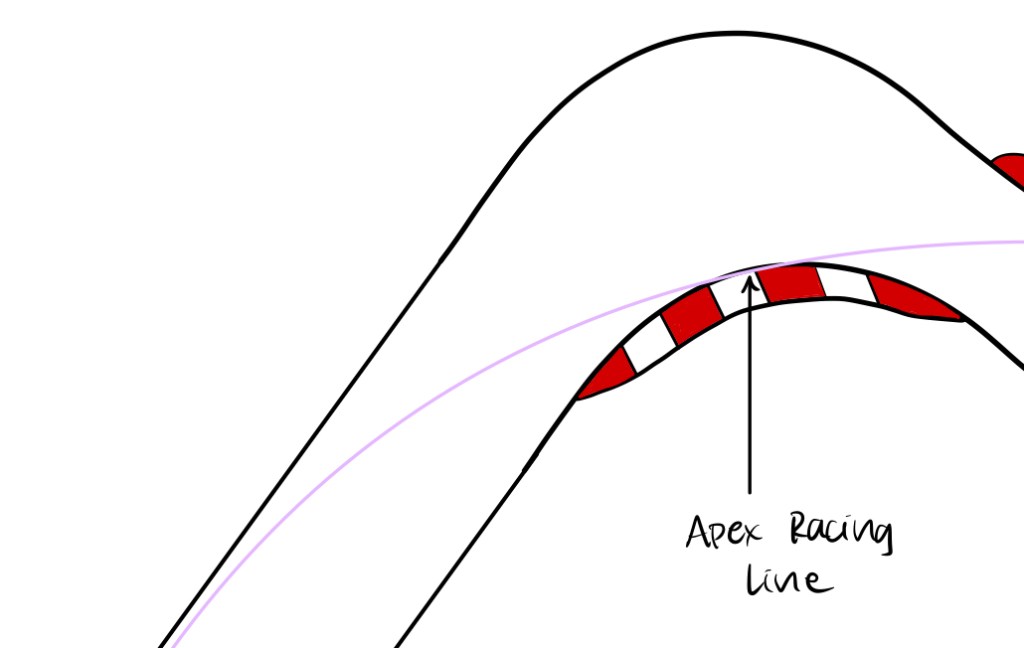
An apex is the middle point of a curve on a race track where the racing line is nearest to the arc.
Chicane
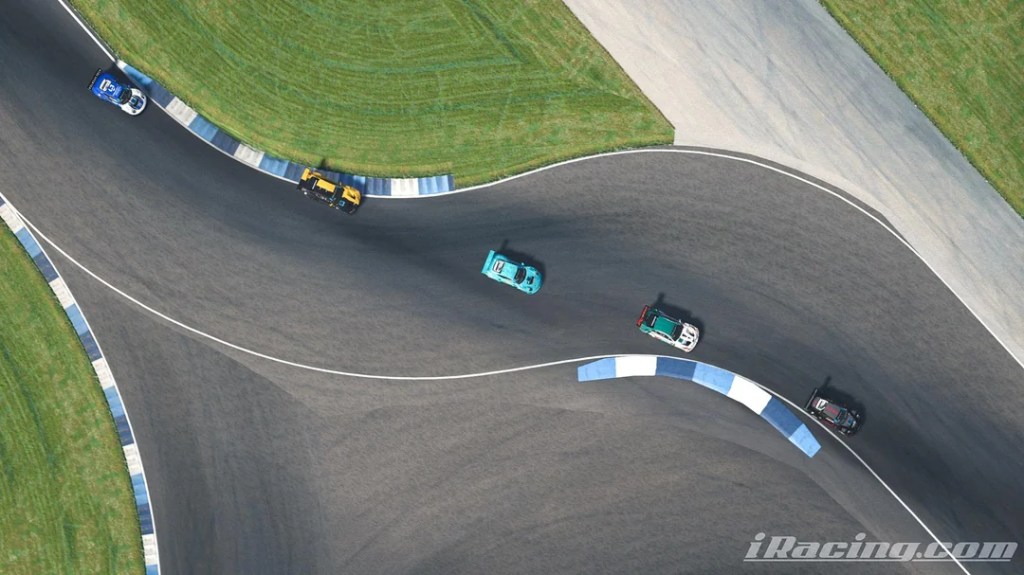
A chicane is when a corner is added to a track to slow down cars. Often includes two or more corners that can be altered to become a different corner on the track.
Dirty Air
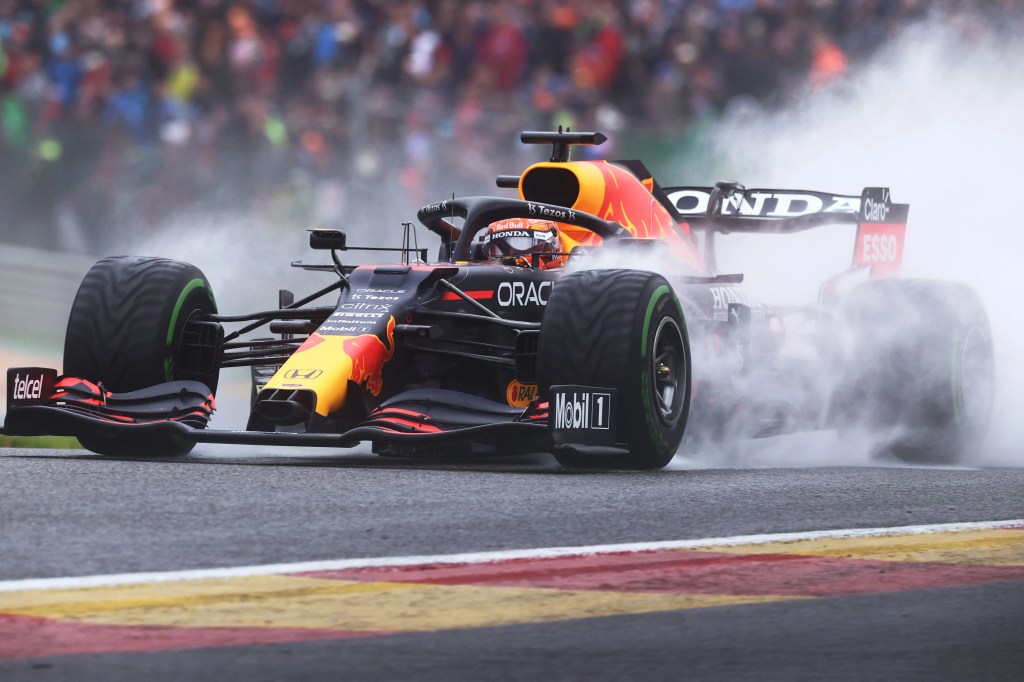
Dirty air is the air left behind a car after speeding. An example of what it looks like is shown above. This air often makes it difficult the car behind to overtake due to reduced downforce (car is pressed toward the ground giving it more stability).
DNF/DNS
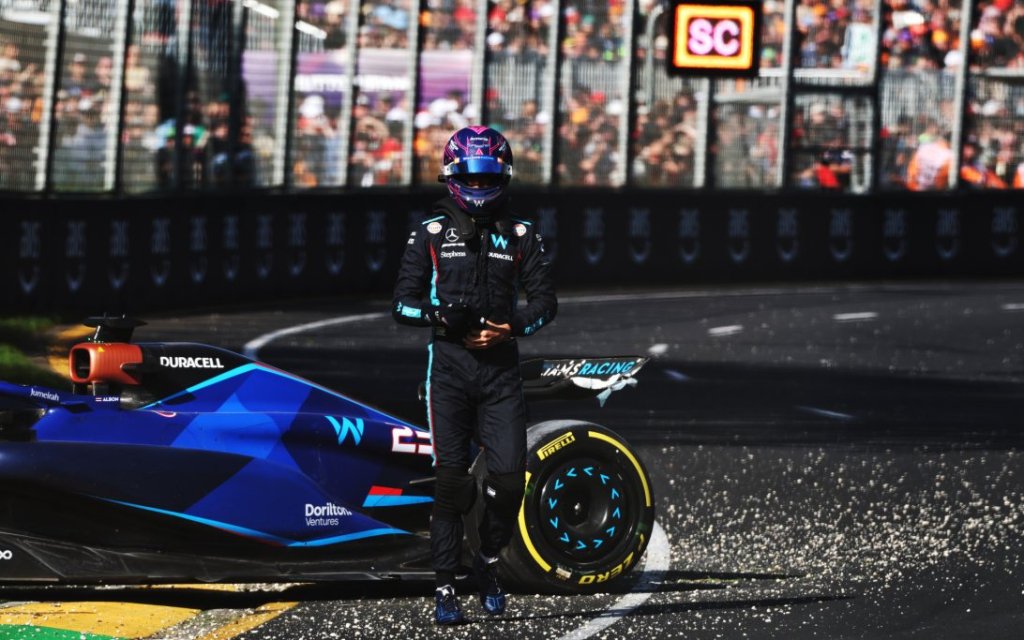
DNF – Did not finish. DNS – Did not start. A driver is classified and DNF when they fail to complete a race due to a crash, mechanical failure, or they did not complete at least 90% of the total laps. A driver is classified as DNS when they did not compete in a race even though they were entered. They may have competed in practice sessions and qualifying.
DRS
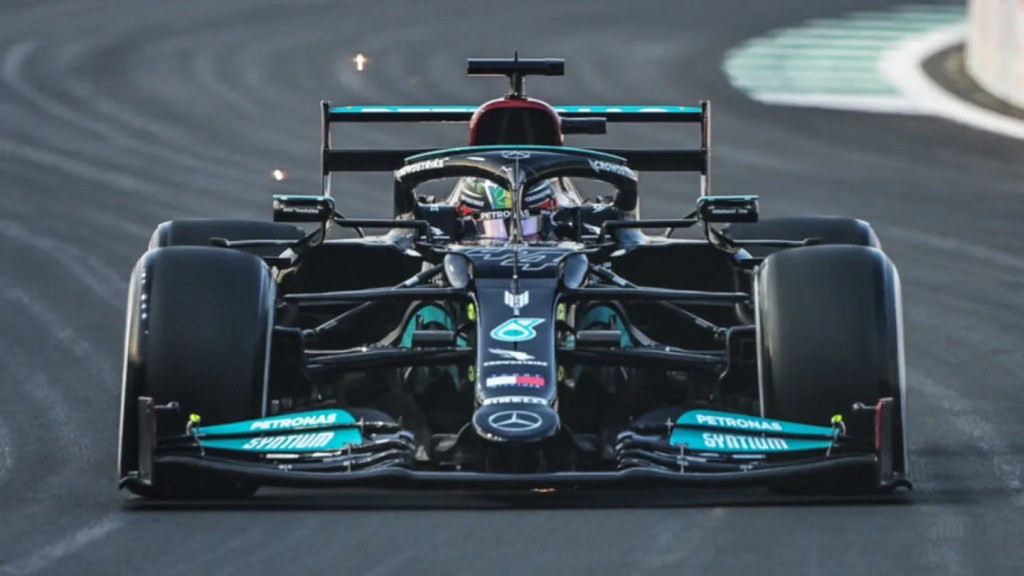
DRS stands for Drag Reduction System. This system is located on the rear wing of an F1 car as seen above. It is a flap where once activated, reduces the drag associated with the wing and provides more speed for a car to overtake another. This is often used on straights of a track to optimize speed.
Formation Lap
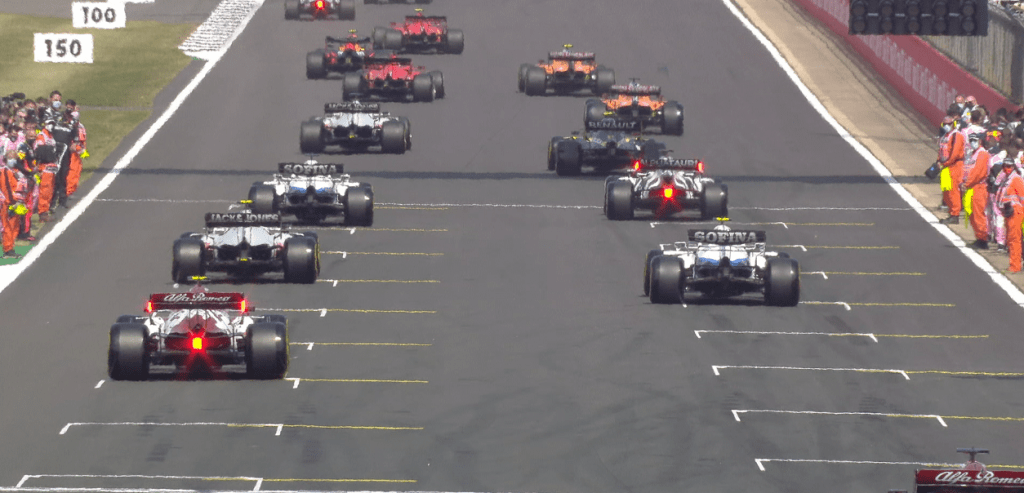
The formation lap is the lap to position the cars in their qualified positions before the start of a race. Drivers also have a chance to warm up the car.
Halo
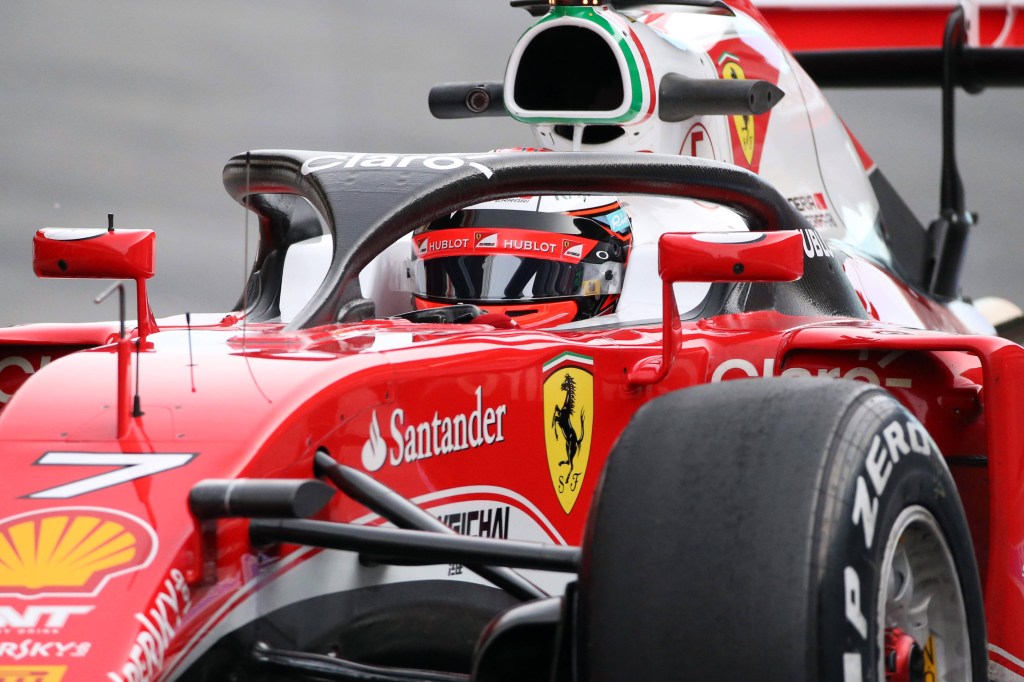
The Halo is a crucial aspect of F1 cars as it is an extremely hard structure that protects the drivers during high-risk incidents. It was introduced after the death of F1 driver Jules Bianchi following an incident at the 2014 Japanese Grand Prix. The Halo has since then saved the lives of countless F1 drivers.
Oversteer/Understeer

Oversteering is when a driver steers the car farther than they should where the front wheels go in another direction altogether. The rear wheels fail to follow the car often goes off track but it can be adjusted. Understeering is when the driver fails to fully steer on the normal racing and they end up going straight away from the racing line.
Pit Wall/Lane

The pit wall is where the stations of each team is located. At these stations, teams look at the cars performance and data during a practice session, qualifying, and a race, while communicating with the drivers. The pit lane is where the garages of each team are located. At these garages, teams often conduct pitstops with all the material they need for a race weekend.
Sprint Races
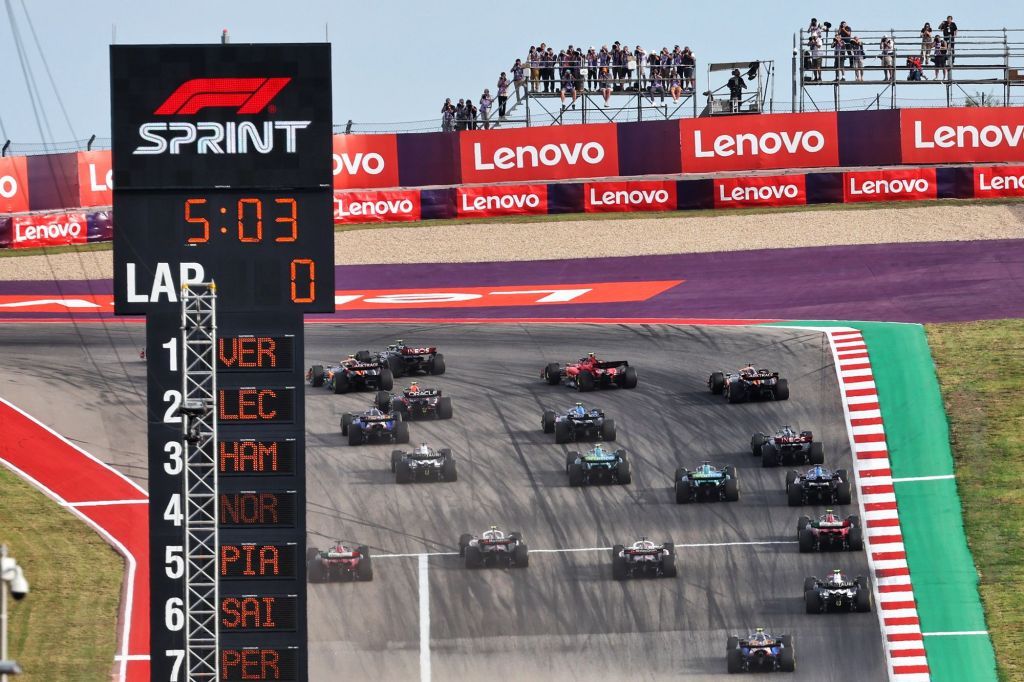
F1 sprint races are short races lasting around 25-30 minutes provide racers an additional opportunity for points while creating an extravagant performance for viewers. Drivers often do not pit during these races so it is simply a non-stop display. They only occur on select weekends with races occurring in China, Miami, Austria, Austin, Brazil, and Qatar, in 2024 out of the 24 races on the calendar.
These are most of the commonly used terms throughout F1 that make it easier for first-time viewers. The amount of terms used in F1 is a large pool that is always expanding but 107 Pursuit will make sure to cover it! I hope these explanations provide more insight into the sport of Formula 1. The Japanese Grand Prix is set to occur on Sunday, April 7th, so stay tuned!
 107 Pursuit
Leave a comment