
The sport of Formula 1 contains never ending terms with new ones being added frequently. To make watching the sport a little easier in the middle of the vast amount of F1 content, here are 10 more terms to help contextualize a race.
Chassis

The F1 chassis is the core foundation of a Formula 1 car. It is made of strong carbon fiber and fits all the important parts of the car, like the engine and suspension, while still being aerodynamic to make the car go faster. Engineers have to follow strict rules from the racing authorities to make sure everything is fair and safe for the drivers. The driver sits in a cell that is equipped with the necessary procedures to protect them.
Downforce
In Formula 1 racing, downforce is a large deal. It is all about the aerodynamic force that keeps the car pushed down toward the track while it goes at over 100mph. This force happens because of how the air flows around the car and interacts with parts like the front and rear wings, diffusers, and bodywork.
G-Force

G-force is short for gravitational force which is the force exerted on something due to gravity. When a Formula 1 car accelerates, brakes, or corners sharply, the drivers undergo high levels of g-force. In the image shown above, an F1 driver is strengthening their neck for the high g-forces during races. It is a common practice among drivers.
Gravel Trap

Meant to be a safety feature surrounding the corners of tracks in case driver loses control of their car and needs a safety net. These stones cause great drag for a car that has lost control and stops the car from hitting something with great impact. Also referred to as a natural brake.
Lock-Up
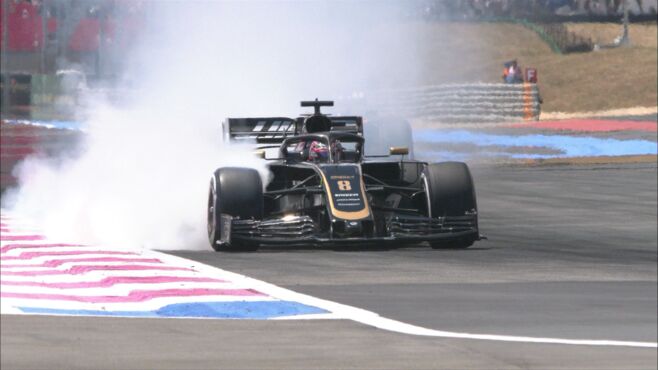
A lock-up happens in Formula 1 when a driver presses the brakes too hard, making one or more wheels stop spinning and slide on the track instead. This happens because the brakes are trying to slow the car down more than the tires can handle. It usually occurs when the driver is braking a lot, like when they’re going into a turn or braking while turning the car.
Pole Position
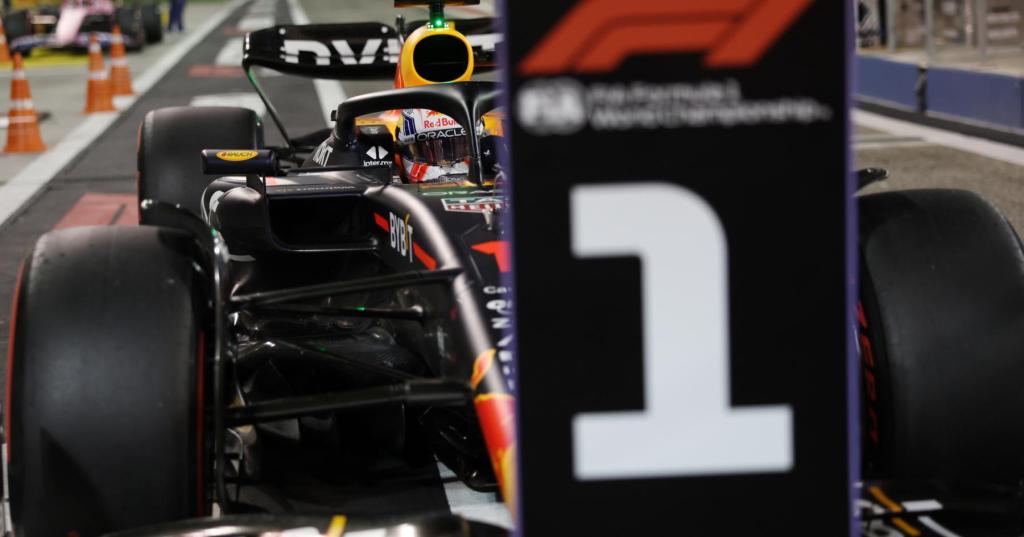
Pole position is simple. It is the first place on the starting grid for a race.
Qualifying
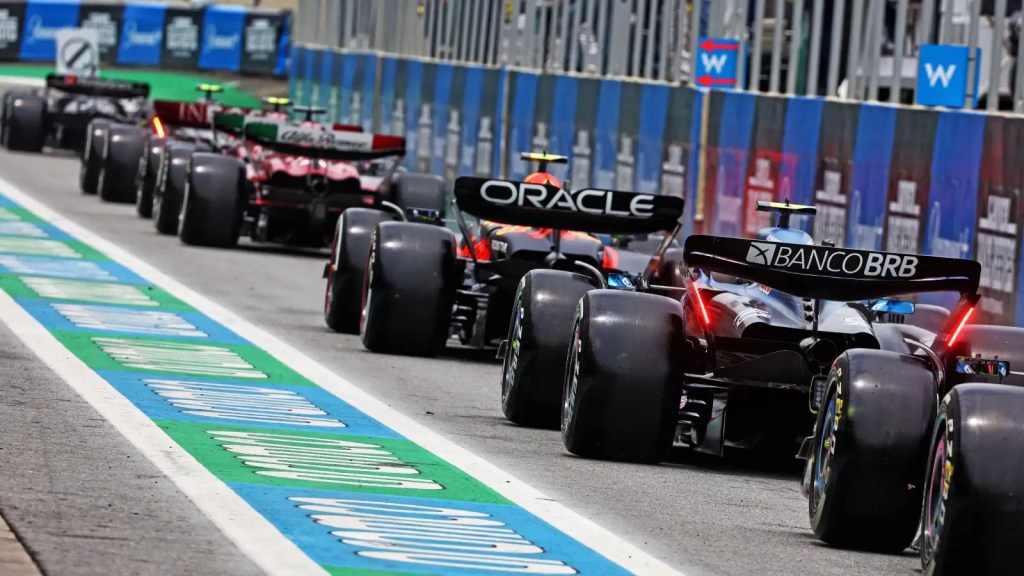
During qualifying, drivers aim to set the fastest lap times possible around the circuit. The fastest driver earns pole position, which means they start at the very front of the grid for the race. The rest of the drivers line up behind them based on their qualifying times, with the slowest driver starting at the back.
Steward
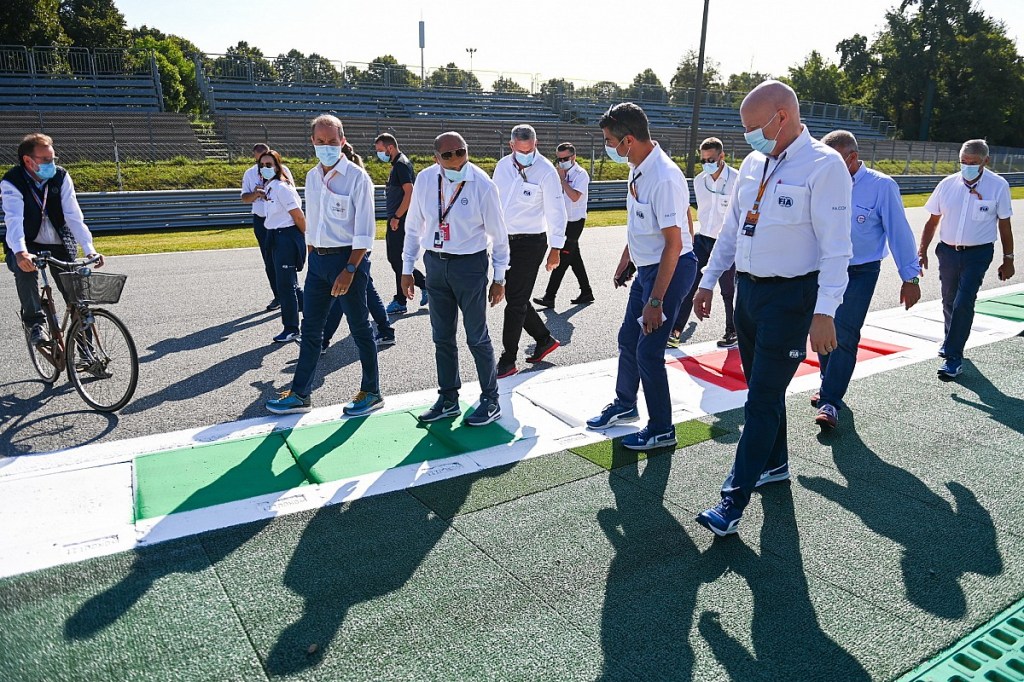
F1 stewards hold great responsibilities for ensuring races are fair and rules are obeyed. Some of their roles include enforcing regulations, investigating accidents, imposing penalties, and maintaining safety.
Plank
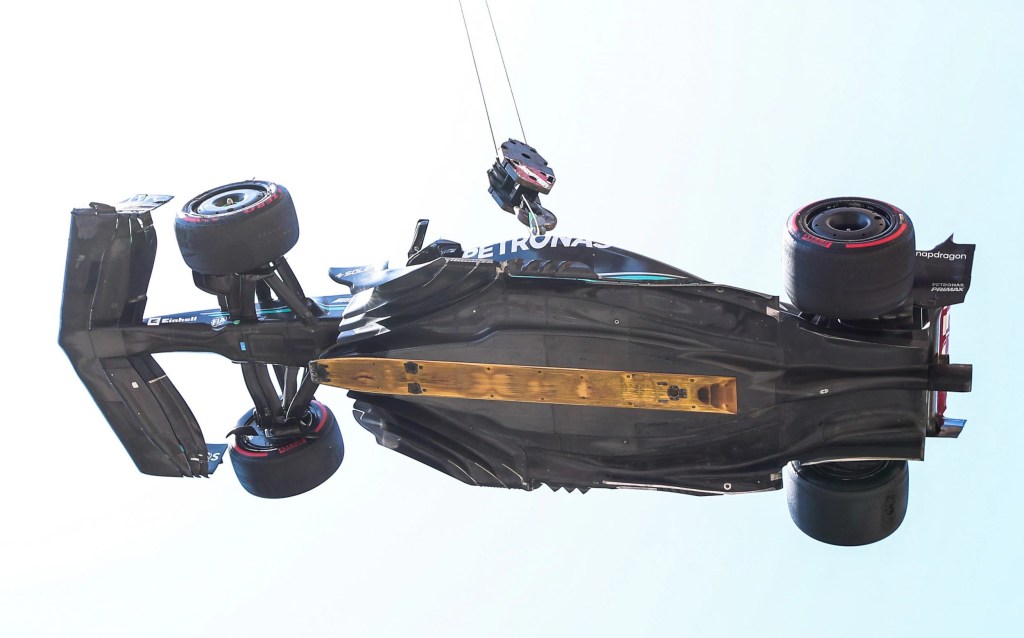
A plank is located at the bottom of the F1 car with its main purpose being to reduce the degradation of the bottom of the car with all impact going on to the plank and not the car. The plank helps to regulate the ride height of the car during races. F1 cars are set up to run with a specific ride height, which affects their aerodynamic performance and handling characteristics. Enforced by the FIA.
FIA
The FIA, or Fédération Internationale de l’Automobile, holds a crucial role and responsibility as the sport’s main governing body. It’s like the referee of the racing world, responsible for overseeing and regulating all aspects of Formula 1 competitions and maintaining safety while working closely with race stewards.
These are most of the commonly used terms throughout F1 that make it easier for first-time viewers. The amount of terms used in F1 is a large pool that is always expanding but 107 Pursuit will make sure to cover it! I hope these explanations provide more insight into the sport of Formula 1. The Miami Grand Prix is set to occur next, so stay tuned!
 107 Pursuit
Leave a comment