
Formula 1 and soccer are one of the most popular sports in the world. What happens when you combine them? Superleague Formula. It is the best combination of both worlds! It is a unique racing series that combined the sports of racing and football. It ran from 2008 to 2011 and featured single-seater race cars representing famous football clubs like AC Milan, Liverpool FC, and others.
While the series had an interesting concept, it struggled to gain long-term popularity and eventually ended after a few seasons. However, it remains an interesting era within motorsports.
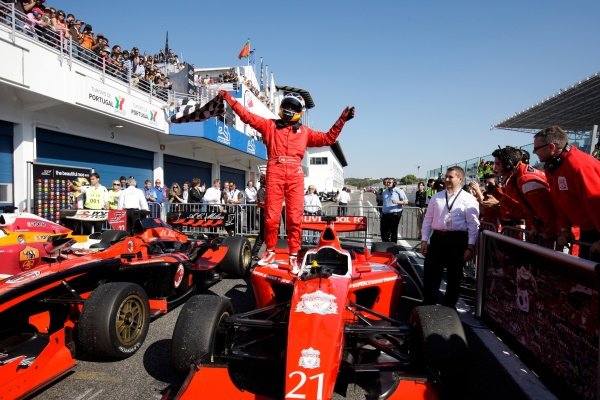
The race cars themselves were no joke. They were powered by V12 engines, capable of producing around 750 horsepower. These single-seater cars were built to be fast, with top speeds reaching over 300 kilometers per hour (186 mph). The cars may have looked like Formula 1 vehicles, but their direct connection to soccer clubs made them stand out.
Race weekends were set up to mimic the structure of a soccer season. Teams would score points based on their performance in multiple races during each weekend, leading to an overall championship by the end of the year.
Races
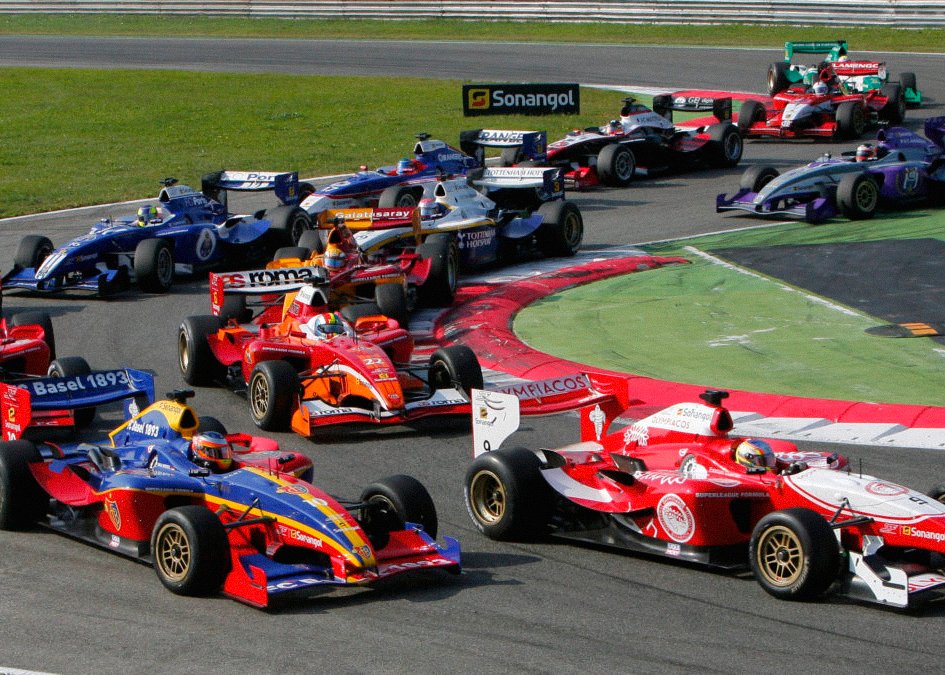
Each race weekend in Superleague Formula consisted of two main races. The first race followed a standard format, where cars lined up on the grid based on qualifying times. But the second race added a thrilling twist. The grid for the second race was completely reversed, meaning the car that finished last in the first race would start in pole position for the second, while the winner of the first race would start last. This “reverse grid” rule made for comebacks and unpredictable results.
The championship also included a special “Super Final” race, where the top finishers from the weekend battled it out in a shorter, all-out sprint for extra points.
Teams and Drivers
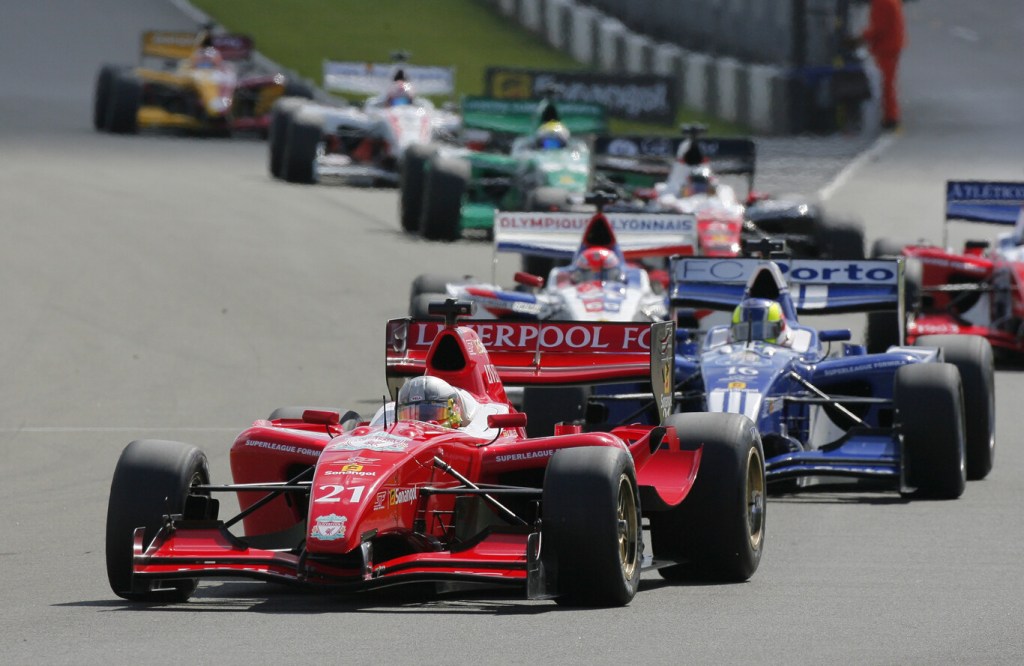
Superleague Formula attracted an interesting mix of talent. The teams were directly tied to soccer clubs, but the drivers came from a variety of racing backgrounds. Many were up-and-coming talents looking for a way to break into bigger series like Formula 1, while others were experienced drivers looking for a new challenge.
Some well-known drivers who competed in Superleague Formula included Robert Doornbos, who had previously raced in Formula 1, and Craig Dolby, who became a fan favorite during his time in the series. The involvement of big soccer clubs like Olympiacos, Atlético Madrid, and Corinthians added an extra level of excitement for fans, especially those who supported these teams on the football field.

Challenges
One of the biggest challenges was a lack of consistent media coverage. Compared to other major motorsports like Formula 1 or MotoGP, Superleague Formula struggled to get widespread attention. Without major television deals or sponsorships, it was hard to attract and retain a large audience.
Another issue was the high costs associated with running the series. Each team had to cover expenses for both the racing operation and maintaining the link to their associated soccer club. As the financial burden grew, some teams dropped out, and new soccer clubs were hesitant to join.
Additionally, while the idea of merging soccer and motorsports was interesting, it didn’t fully resonate with fans of either sport. Many soccer fans weren’t passionate about racing, and motorsports fans were more interested in established series like Formula 1. This divide made it difficult for Superleague Formula to build a consistent fanbase.
By 2011, the series had lost much of its momentum, and the financial difficulties became too much to overcome. The final season took place that year, and Superleague Formula quietly ended.
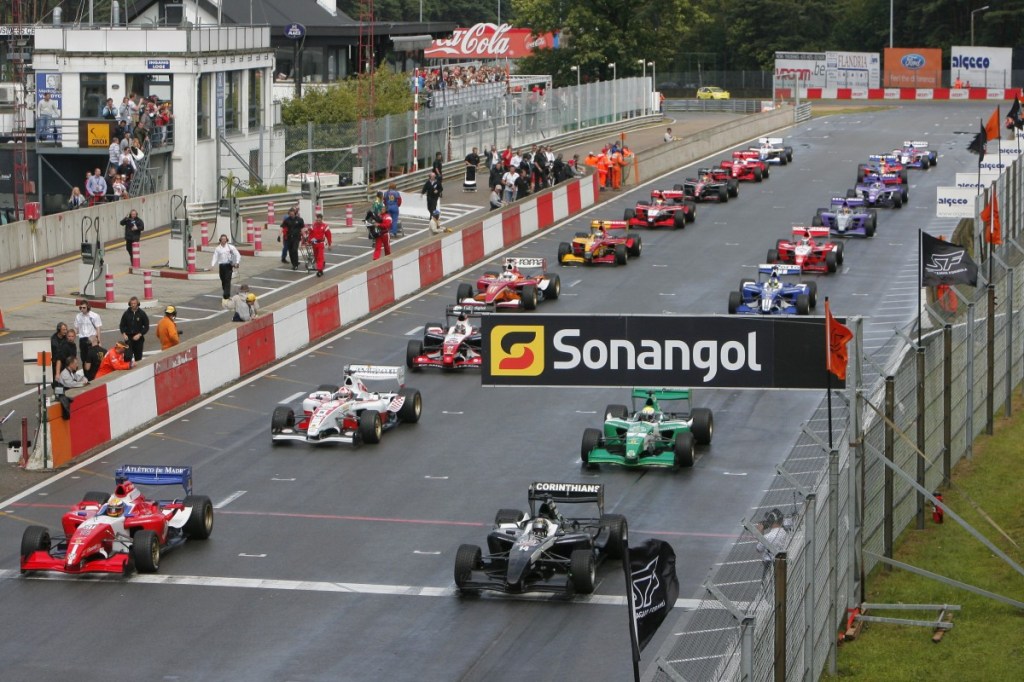
Although Superleague Formula didn’t last long, it left an interesting mark on both the motorsports and soccer worlds. For a few years, fans of both sports were treated to a unique crossover event that had never been seen before. The reverse grid format, in particular, was praised for making races more unpredictable and exciting.
 107 Pursuit
Leave a comment